
API-First Development: Building Better Software Systems
Apps don’t work alone anymore in today’s tech scene. Instead, APIs link them together like bridges between systems. Thanks to this tight connection, they’ve turned into core parts of apps – way beyond behind-the-scenes tools. So now, building software around APIs from day one isn’t just common – it’s expected.
| Key Takeaways: |
|---|
|
Let’s dig into what API-first means, how it evolves over time, its key traits, along with practical approaches. On top of that, we’ll look at why testing plays a big role in making this method work well. Another thing – we’ll compare it briefly to alternatives such as starting with code.
How API-first Works
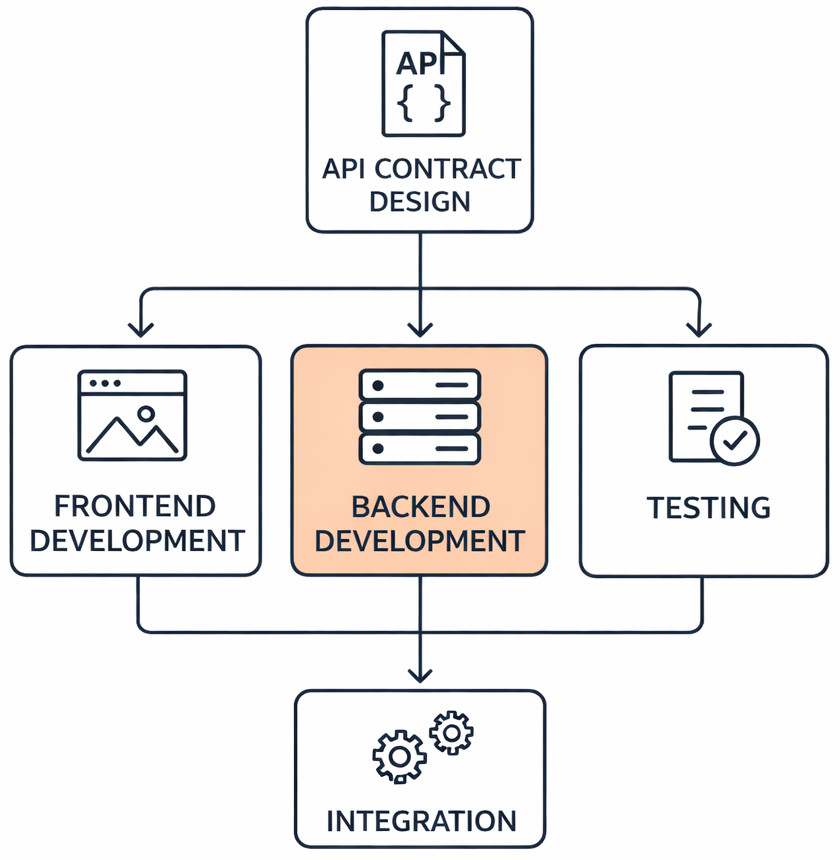
The API-first approach puts designing APIs first, before building the actual software. Instead of seeing APIs just as side results of code, this way treats them like standalone products – unlike older methods that add them later.
- Set up fake servers: frontend folks begin sooner with mock APIs that act like real replies even when the backend isn’t ready yet – so testing kicks off early without waiting around.
- Aid in Parallel Development: This means front and back teams skip waiting around. As one side builds features, the other uses mockups instead.
- Establish Governance at the Earliest: It is possible to integrate design, documentation, and versioning consistency into the contract.
- Push reuse – since APIs come built in blocks, different apps can tap into them through various tools or services.
This method turns APIs into solid building blocks that grow easily, work every time, plus can be used again – helping apps get built faster. Doing APIs first cuts confusion and connection problems because everyone lines up behind the same agreement.
The API Lifecycle
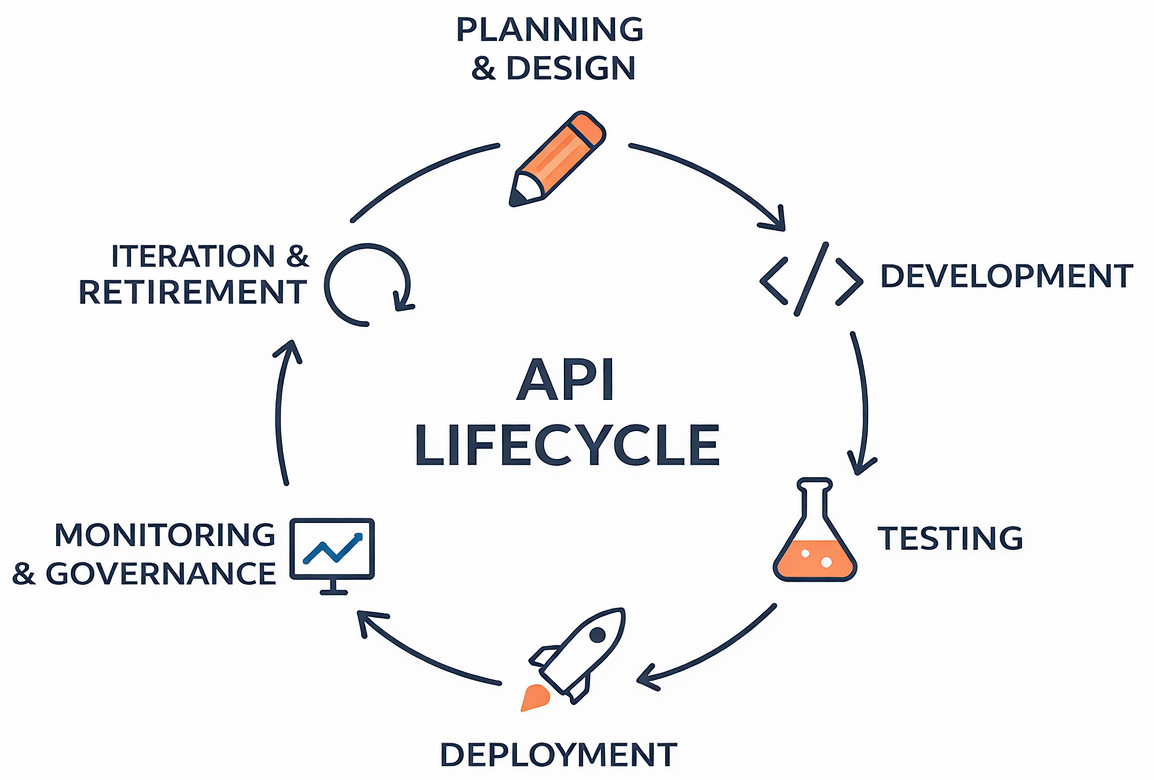
- Product managers, architects, and devs figure out what the company actually needs. Then they jot down features, who’ll use them, along with real-life scenarios. These details get saved into a shared doc – sort of a master guide – that everyone can check; formats like RAML, API Blueprint, or OpenAPI help keep things clear.
- Once the deal’s signed, front-end coders start linking up fake APIs while back-end folks craft core functions at the same time. That’s possible since the API blueprint exists ahead of time. On top of that, starting with APIs lets tools auto-generate code – specs feed straight into client kits, server templates, and guides.
- Testing includes unit tests on endpoints, checking contracts to match specs, scanning for security flaws, also running load tests to handle growth – each part matters in an API-first setup. With automation tools, teams can test APIs nonstop inside CI/CD flows.
- Product setups or API gateways host the APIs once launched. These entry points handle traffic flow, track usage data, and control call frequency, while keeping things safe. Because of such a setup, different teams use them – sometimes insiders, sometimes collaborators, occasionally outside coders.
- Watching how fast things run, if they’re up or down, plus tracking mistakes and how people use tools, matters a lot for APIs. So does making sure rules on updates, safety steps, and name styles stay the same everywhere in the org – this is handled through oversight. Tools usually give live views so teams can check if everyone’s following the guidelines.
- APIs change as they grow older. New features come in through versions, while old ones get removed slowly. Clear rules help users move on without trouble when updates happen.
API Platforms as Enablers
- Work together on API design using OpenAPI – tools like Swagger Editor turn it into docs right away.
- Mock servers let teams quickly build working API models. So, progress speeds up on the front end – feedback comes faster from users.
- Checking if stuff works? Yep – Postman sets run checks, linking API behavior to set rules through steady test flows.
- Governance plus security – centralized setups handle company rules on access rights, how things are named, update tracking, and also login checks.
- Monitoring plus analytics gives live updates on errors, delays, or how often APIs get used. Because teams see what’s happening right away, they can keep systems running smoothly. This clear insight helps avoid surprises down the line.
Tools help companies grow their API projects quickly through a unified system that supports smooth teamwork across departments.
API Contract and Its Importance
- Endpoints.
- Request/response formats.
- Authentication methods.
- Error-handling rules.
- Teams can operate at the same time, yet stay aligned through shared goals.
- It cuts confusion since everyone relies on one clear version.
- Staying steady cuts down on setup problems.
- Boosts safety by building controls in early – using them right away.
Software teams avoid costly fixes while gaining consistency – by seeing APIs as binding agreements.
API Specification and API Design
- OpenAPI gives clear formats machines understand, so you get docs, run checks, or build scripts.
- RAML’s layout is built for clarity, focusing on parts that can be reused or swapped easily.
- API Blueprint uses simple markdown – great for teamwork when crafting docs alongside design.
API design isn’t only tech stuff – it’s mostly about how easy it is to use. When an API works well, it feels natural, stays predictable, yet remains straightforward.
Key components of a well-designed API
- Same rules every time – clear ways to fix mistakes, plus agreed-upon names for things.
- Keeping old versions working? Try tagging requests with headers – or just add /v2/ in the link. Either way, older setups keep running without hiccups.
- Security: Built-in encryption plus OAuth2 or JWT right away.
- Good guides help devs get on board fast – simple stuff works best when it’s hands-on.
In API-first setups, design matters just as much as how things work.
API-First vs. Code-First
- With a code-first approach, devs start by writing app logic before creating the API. Because of this, interfaces tend to stick too closely to how things work behind the scenes – making them messy or hard to follow. Sometimes they’re built fast at first, yet problems pop up later when growing the system or managing access. Inconsistencies show up, docs get left behind, and control becomes tricky down the line.
- Building starts with the API plan – teams shape the app around that structure. This way, ease of use and consistency come first, while rules are built in from the start. The focus? Smooth connections between systems plus happy users. Instead of being an afterthought, each API turns into a core piece.
Comparison
- With an API-first approach, docs get built right from the spec – no extra steps. Code-first? Usually stuck with outdated info. Auto-gen keeps things fresh; manual updates don’t.
- Working together: When you focus on code first, it might separate backend choices. But starting with APIs helps teams join up early – so everyone moves in sync without waiting around.
- Scaling up? APIs work alongside microservices. These fit naturally when you start with an API mindset. One leads to the other – clean separation, built right in.
In short, go with API-first if you’re building big systems meant to last; otherwise, for tiny apps or early prototypes, starting with code could work just fine.
API-First Development and Strategy
Beyond being a tech approach, API-first pushes companies to rethink how they build and deliver software. Firms using this mindset treat APIs as key resources instead of afterthoughts.
Why API-First is Strategic
- APIs aren’t just built for tech needs – they’re shaped around real business goals. That way, every API delivers clear benefits to customers or collaborators.
- Opening up APIs as standalone tools lets companies team up with outside partners, sort of how Twilio and Stripe operate – building networks that go way past company walls.
- Setting up APIs with clear rules and room to grow helps companies quickly shift when new tech shows up – like apps on phones, smart devices, or tools powered by artificial intelligence.
- Besides standing out, companies strong in APIs move quickly when teaming up or adding tools – giving them an upper hand. While others lag, these firms adapt fast, linking systems smoothly without delays. Instead of waiting, they roll out new functions early, staying ahead quietly. Because integration matters most now, speed wins; slow players lose ground every day.
Principles of an API-First Strategy
- Rules and control: Setting clear API rules helps keep things consistent across different teams and locations – also makes teamwork smoother, no matter where people are based.
- Product Thinking: APIs come with full life cycle care plus updates – treated like real products, backed the whole way, kept running smoothly over time.
- From the user’s view: APIs focus on being easy to find, use, and understand – because they’re built for devs, after all.
Companies focus on APIs as their main priority, setting up systems that grow smoothly no matter how they’re used. Instead of scattered methods, this approach keeps everything aligned through clear digital connections.
API-Driven Development and API-Centric Architecture
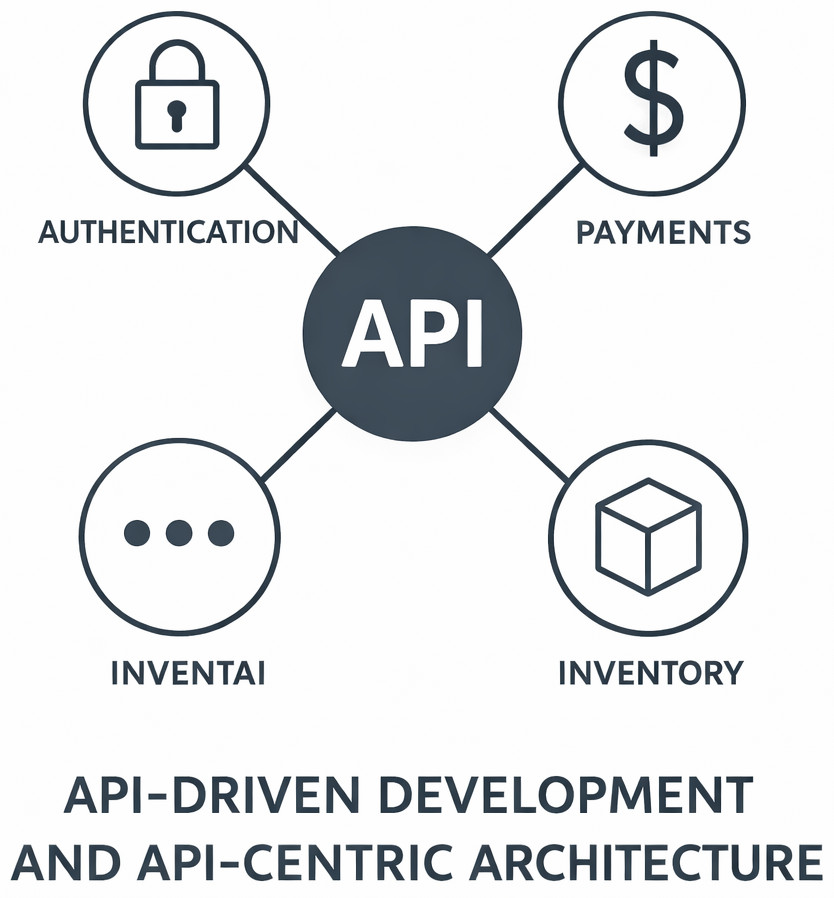
App dev changes when you build around APIs – focus moves from standalone systems to connected networks. Instead of getting stuck inside bulky apps, company features show up clearly in well-built APIs. These can be used by various teams, software tools, or outside collaborators. Connections happen through shared access, not siloed code.
What API-Driven Development Looks Like
- Each API links to a core business task – say, tracking stock, handling payments, or verifying users. These functions form the backbone of how systems support daily operations.
- Folks working solo? They skip snags by building stuff themselves. When groups move separately, delays fade – no waiting around.
- Frontend setups get faster + easier to adjust when they pull data from various backends through APIs – using different sources helps things move smoothly while allowing changes without major rework.
- Build it first so others can plug in – APIs serve outside devs, team members inside, or partners working together.
API-Centric Architecture
- Each microservice runs on its own, linking through APIs instead of direct ties.
- Folks use APIs so they can link up serverless setups, mix cloud platforms, or hook into containers without hassle – each piece plays nice together this way.
- Since APIs handle growth independently, busy functions – say, payments – can manage tons of requests while leaving others unaffected.
- APIs help different tools work together – like new apps talking to old systems or outside software linking up through smooth connections instead.
This setup works great for digital upgrades that need quick changes, flexible parts, or the ability to bounce back – especially when speed matters. It fits right into efforts focused on adaptability, split-up systems, or staying strong under pressure.
Challenges with API-First Development
- Getting things ready early means doing extra tasks before any code is written – like nailing down clear agreements. Teams have to spend hours drafting detailed plans, running design sessions, or going over ideas together. That upfront grind helps avoid rework later on, although it can slow the starting phase a bit.
- Too much oversight? Keeping things consistent between teams and APIs gets tricky. Without clear rules, groups may create mismatched APIs – making reuse harder. A solid setup matters, so use linters along with style docs to stay on track.
- Culture shifts aren’t easy – some devs prefer coding right away, so they might resist starting with design. Getting past this means leaders need to step up, explain the why, then offer hands-on learning that actually helps.
- Over time, the actual setup might slowly shift away from how it was first planned. Automated tests that check agreements help keep things aligned.
To succeed, companies need to weigh pros and cons – usually relying on solid tools plus team support that actually shows up.
The Role of Testing in API-First Development
Testing matters a lot when you build APIs first. If APIs aren’t accurate or dependable, the whole system can wobble – since they’re how teams agree to work together. With an API-first approach, checks happen sooner and keep going throughout development, unlike code-first methods that usually wait till everything’s built.
Types of Testing in API-First
- Contract testing checks if the system follows the API agreement. That way, users face fewer issues.
- Functional Testing checks if endpoints work correctly when given different inputs or outputs, using real-life scenarios instead of theory.
- Integration testing checks if APIs run well together across different services, using real-life scenarios instead of isolated cases.
- Testing how fast an API works when lots of people use it at once matters a lot – especially if customers rely on it. Checking this helps see whether the system can handle pressure without slowing down.
- Security checks find flaws in encryption, also spot issues with access control, user verification, or how data is validated.
Conclusion
API-first development means treating APIs like actual products, not just tools. Instead of rushing into code, teams start by designing the interface upfront – this sets clear expectations early on. By focusing on contracts first, groups can work at the same time without getting in each other’s way. This approach makes systems easier to expand when needed. Since components are built to be reused, less effort is wasted rewriting similar parts. Teams ship features faster because there’s less back-and-forth later. It fits well with today’s tech setups, like microservices or cloud apps. People involved – from devs to business folks – stay aligned throughout the process.
Still, solid testing matters just as much as building and planning when going API-first. It keeps things working smoothly under pressure, linking promises in specs with real-world use – thanks to smart, automated checks driven by machine learning.
Companies using an API-first approach – supported by smart testing – stand the best chance to thrive ahead, especially when moving into API-led design and systems built around APIs.
 |