
Complete Guide to API Integration: Key Benefits & Best Practices for Engineering Teams

Back in the 1990s, when you wanted to go on a trip, you called up travel agencies, waited for them to confirm your flights, booked hotels byphone, and faxed over payment information. These days, booking a flight, a rideshare, or even hotel accommodations can be done with a few finger taps on your phone.
What makes it possible? API integration.
A network of APIs quietly interlinks multiple modules behind the scenes so that you can do everything online, like in travel-planning platforms or messaging apps. It is the perfect example of how APIs have made digital experiences quick andeasy, rather than manual and clunky.
| Key Takeaways: |
|---|
|
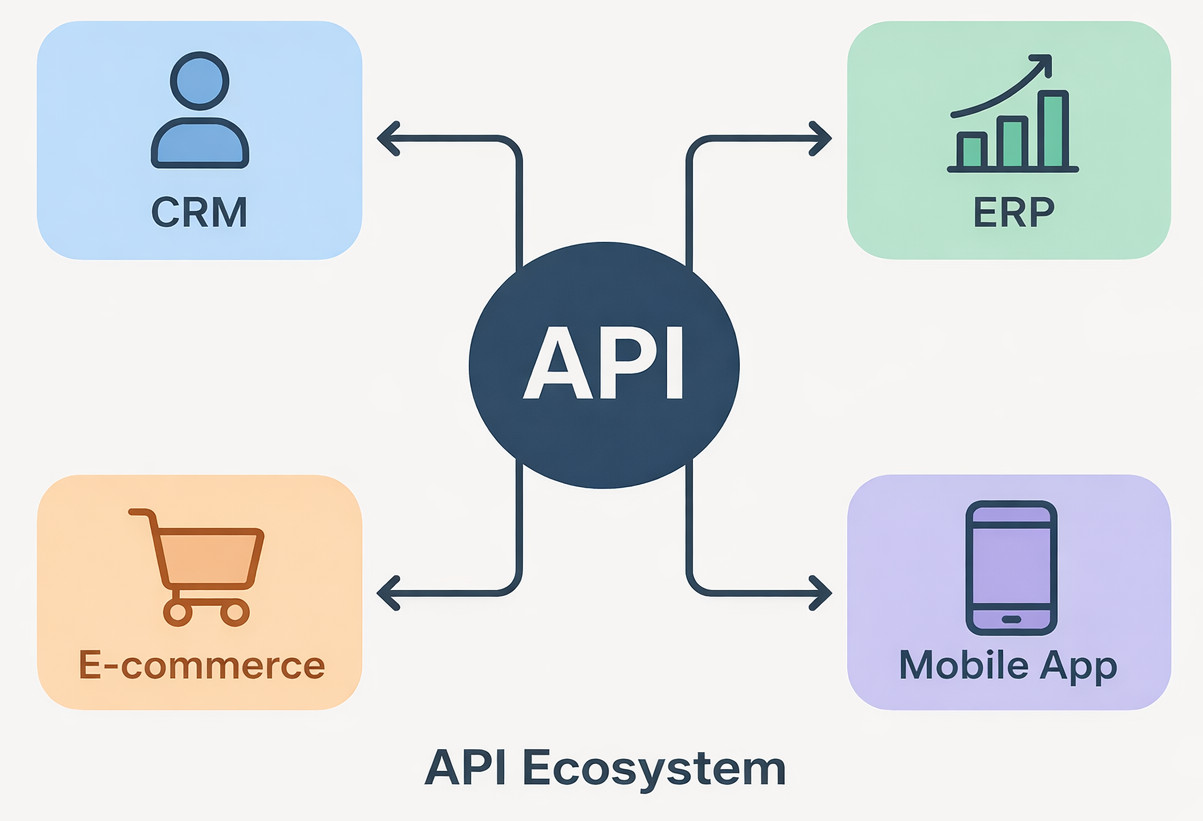
What is API Integration?
In its most basic form, API integration allows two or more applications to communicate with one another via their APIs and initiate actions or data exchange. However, in order to understand it completely, let’s explore it further.
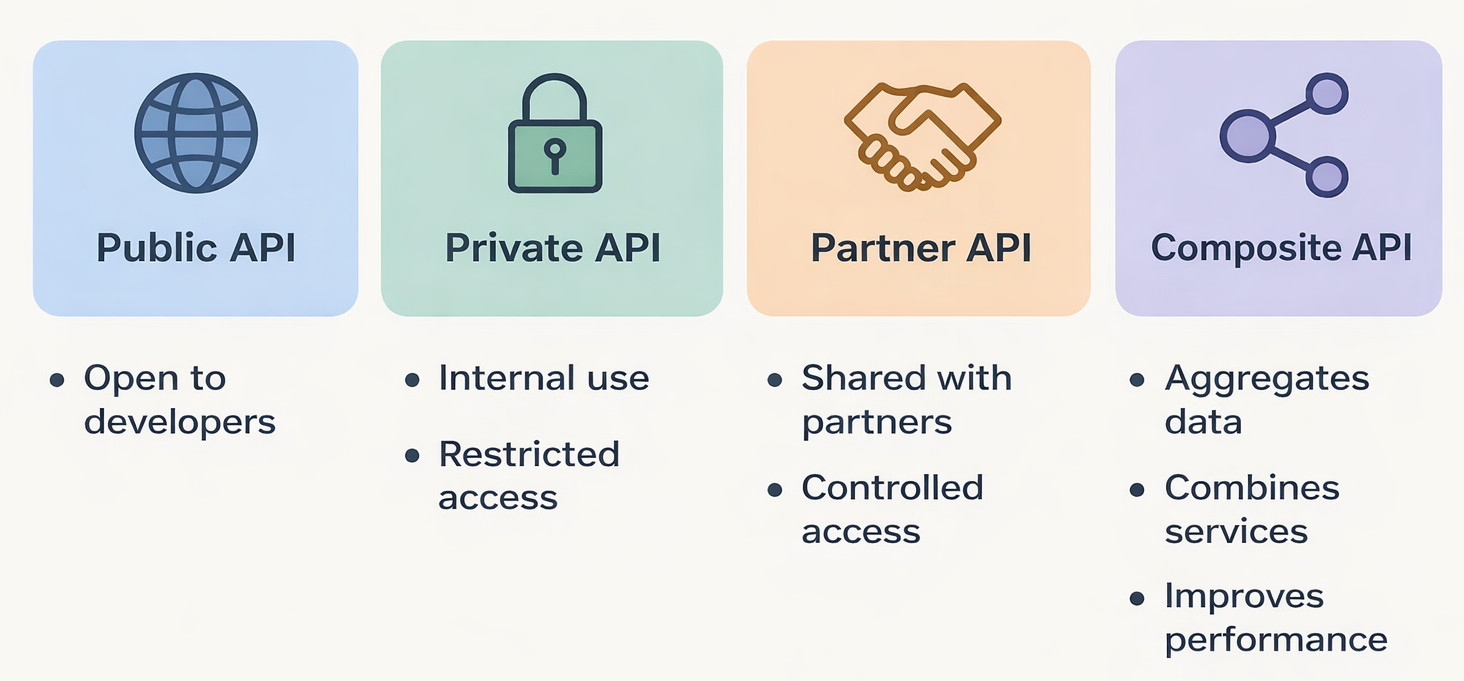
The Anatomy of an API Integration
/orders endpoint.- Techniques: The permitted actions (GET, POST, PUT, DELETE).
- Authentication: Guidelines for granting access to the API (API keys, OAuth, JWT).
- Data Formats: Both systems must agree on these, usually JSON or XML.
API Integration Types
- System-to-System: Linking backend systems, such as CRM and ERP.
- Application-to-Application: SaaS programs like Google Drive ß à Slack.
- Device-to-Cloud: Sensor data is sent to cloud platforms by Internet of Things devices.
- Service-to-User: APIs that allow external developers to build content (such as the Spotify API for playlists).
Traditional Integration vs. API Integration
- Point-to-point connections, file transfers, and manual scripts are all instances of conventional integration methods that often produce expensive, fragile systems.
- API integration, in contrast, enables real-time data flow and is scalable and modular.
Real-World Example
- Integration of payment gateways (PayPal and Stripe).
- Shipping provider API (FedEx/UPS).
- Marketing automation (customized campaigns sent by Mailchimp).
When both are together, these APIs ensure a cohesive, customer-first experience and do away with manual updates.
Why API Integration Matters: Key Benefits
Businesses integrate APIs for mission-critical reasons, not just for ease of use. Below are the main benefits of integrating APIs, explained in more detail:
High Productivity and Efficiency
- Automated Workflows: Get rid of repetitive chores like inputting client information again into different systems.
- Decreased Human Error: Reduces errors associated with manual data transfers.
- Faster Onboarding: Instead of building features from scratch, businesses can connect to pre-built APIs (like payment processors).
Synchronization and Real-Time Data Access
- Instant Updates: Any changes made to one system may affect all linked apps (for example, updating inventory after an online purchase).
- Decision-Making Ability: Quicker and more intelligent business decisions are supported by access to current data.
- Customer Transparency: Trust is boosted by real-time tracking, such as package delivery status.
Improved Experience for Customers
- Smooth Journeys: APIs ensure that users aren’t aware of “handoffs” between apps.
- Personalization: By integrating data from different systems, organizations can offer experiences that are specifically catered to each customer (e.g., targeted offers).
- Omnichannel Consistency: APIs integrate customer data across channels, including desktop, mobile, and in-store.
Reducing Expenses
- Reduced Development Costs: Businesses utilize pre-existing APIs rather than building them from scratch.
- Operational Savings: Long-term expenses are reduced due to fewer mistakes and less manual labor.
- Infrastructure Optimization: Rather than requiring expensive complete system replacements, APIs allow incremental system upgrades.
Agility and Scalability
- Modular Growth: Change or add integration without impacting the system as a whole.
- Business Expansion: Connect to localized services (such as regional payment gateways) to rapidly enter new markets.
- Adaptability: Aids faster turn, which is critical in sectors where regulations evolve frequently, like fintech or healthcare.
Competitive Advantages and Innovation
- Faster Time-to-Market: By using external functionality, APIs accelerate product launches.
- Ecosystem Play: Organizations can generate new revenue streams by enabling partners to access their APIs.
- Differentiation: Organizations stand out due to unique integrations (like wearable device data in healthcare apps).
Common Use Cases of API Integration
Retail and E-Commerce
- Shopping Cart Integrations: Coordinate inventory, order, and product data across Shopify, Magento, and WooCommerce.
- Payment Gateways: Safe transactions are made possible by APIs from Stripe, Apple Pay, or PayPal.
- Shipping and Logistics: Real-time shipping prices and packaging tracking are available via UPS, DHL APIs, and FedEx.
Medical Care
- Electronic Health Records (EHR): APIs blend patient portal, imaging facilities, and laboratory systems.
- Wearable and IoT Devices: Smartwatches offer healthcare apps with activity or heart-rate data.
- Telemedicine: For smooth virtual visits, APIs link patient data systems and video platforms.
FinTech and Financial Services
- Open Banking APIs: Give third-party apps, such as lending or budgeting apps, safe access to banking data.
- Fraud Detection: Transactions monitoring and AI-powered fraud prevention tools are connected through APIs.
- Trading Platforms: Algorithmic trading is backed by real-time market data APIs.
SaaS Applications
- Collaboration Tools: Jira or Asana project management software can be integrated with Slack or Microsoft Teams.
- BI and Analytics: APIs collate data from different sources and import it into dashboards like Power BI or Tableau.
- HR Systems: Time-tracking and benefits management platforms are integrated with payroll software.
Tourism and Hospitality
- Booking Engines: APIs link rental cars, hotels, and airlines into a singular booking process.
- Maps and Navigation: Directions and geolocation are powered by Google Maps APIs.
- Reviews and Ratings: Booking platforms embed user reviews via Yelp or TripAdvisor APIs.
Legacy and Enterprise Systems
- ERP ↔ CRM: Integration connects the systems for sales, HR, and accounting.
- Legacy Modernization: APIs allow old systems to communicate with cloud apps.
- Integration of IoT Devices: Analytics dashboards receive real-time production data from sensors in factories.
Best Practices for Successful API Integration
- Define Clear Objectives and Scope: Establish the intended business outcomes prior to integration. Do you want to reduce operating costs, enhance customer services, or automate reporting? By defining quantifiable goals, scope creep is prevented.
-
Prioritize API Security Best Practices: Security cannot be undermined. Put into practice:
- TLS/SSL encryption.
- Role-based access controls.
- Strong authentication (OAuth, JWT, and AWT keys).
These security processes protect against data breaches and unauthorized access. - Ensure Scalability and Flexibility: Select architectural designs that will scale with your company. Without impacting the entire system, modular scaling is made possible by microservices and event-driven approaches.
- Versioning and Backward Compatibility: APIs evolve over time. Build versioning plans to avoid breaking existing integrations. When feasible, offer backward compatibility to aid transitions.
- Thorough Documentation and Testing: Developer onboarding is streamlined by well-documented APIs. As systems change, regular testing (functional, load, and security tests) ensures that integrations stay reliable.
- Monitoring and Observability: To monitor error rates, latency, and uptime, utilize monitoring tools and API gateways. Active monitoring helps in identifying issues before they impact users.
- Make Use of Integration Platforms and Middleware: Middleware or iPaaS (Integration Platform as a Service) solutions can make complex integrations easier, especially when working with legacy systems.
Challenges in API Integration and How to Overcome Them
-
Data Inconsistency and Format Mismatches
Challenge: APIs may transmit and receive data in different formats (for example, some use strings for dates, while others use integers).Impact: Causes incomplete transactions, corrupted records, and sync issues.Solution:- It is to standardize schemas and implement validation.
- To modify data formats, use middleware tools.
- Build a “single source of truth” for necessary information.
-
Legacy System Compatibility
Challenge: Older systems might not have APIs or might only use outdated ones (such as SOAP vs. modern REST).Impact: Integration gets expensive, time-consuming, and complex.Solution:- Use adapters or API wrappers around legacy systems.
- Utilize hybrid integration to slowly transition to modern systems.
- Use iPaaS platforms with multi-protocol support.
-
Security Vulnerabilities
Challenge: Malicious actors’ attack surface is boosted by APIs. Breach scenarios may be caused by weak authentication or vulnerable endpoints.Impact: Data breaches, noncompliance, reputational damage.Solution:- Implement strong authentication (token-based, OAuth 2.0).
- Encrypt data while it is in transit using TLS/SSL.
- Use rate-limit to prevent DDoS attacks.
- Regular audits and penetration tests.
-
Latency and Performance Hurdles
Challenge: APIs may lag or malfunction when under heavy load.Impact: A subpar user experience (such as slow e-commerce checkout).Solution:- Add caching layers for data that is accessed regularly.
- Make use of load balancing on multiple servers.
- Decrease the number of useless calls by improving the API design.
-
Versioning and Deprecation Issues
Challenge: Existing integrations may be broken by providers updating their APIs.Impact: Unexpected downtime, lost functionality, and service outages.Solution:- Maintain backward compatibility whenever feasible.
- Clearly define the use of semantic versioning (v1, v2, etc.).
- Plan ahead and sign up for provider update notifications.
-
Maintenance and Monitoring Overhead
Challenge: To ensure stability and uptime, APIs need consistent monitoring.Impact: In the absence of oversight, issues may remain hidden until clients communicate their displeasure.Solution:- Utilize observability tools and API gateways.
- Put tracing, alerting, and logging into place.
- Utilize tools to automate regression testing.
-
Compliance and Governance
Challenge: There are strict compliance requirements in sectors such as healthcare (HIPAA) and finance (PCI DSS).Impact: Fines or legal action may be imposed due to poorly managed APIs.Solution:- Implement strict audit trails and access controls.
- Avoid overexposing endpoints; only store the data that is absolutely necessary.
- Align legal frameworks with API policies.
Software Testing in API Integration
Integrations may fail silently or reveal vulnerabilities if robust API testing best practices are not adhered to.
- Functional testing: It involves validating that endpoints produce the expected results.
- Load testing: Ensuring that APIs work properly when there is a lot of traffic.
- Security testing: It validates data protection, authorization, and authentication.
- Regression testing: It verifies that updates don’t interfere with existing processes.
The Future of API Integration
- Event-based Integrations: Request/response architectures are giving way to event-based integrations and real-time streaming in event-driven architectures.
- Low-code/No-code Integrations: Allows non-technical users to swiftly construct workflows.
- Higher Focus on Security: API design will be influenced by an increased number of regulatory and compliance frameworks.
- AI-Enhanced Monitoring: Predictive analytics to detect integration issues before they emerge.
- Standardization: Higher use of API governance frameworks and open standards.
Conclusion
The linchpin for organizations in digital transformation is API integration,which empowers applications to automate smart processes, deliver great customer experiences, and easily exchange data. The advantages are everything from innovation and up-to-the-minute insights to cost savingsand scalability. That way, enterprises can ensurethat their API integrations can scale, perform reliably and securely, and evolve for the future.
Additional Resources
- Web Development Technologies: A Complete Guide
- Top 10 Backend Technologies Every Developer Should Know
- What is DevOps Lifecycle?
- Four Types of Software Maintenance: A Detailed Guide
- What is Software Architecture?
- What is Code Optimization?
 |